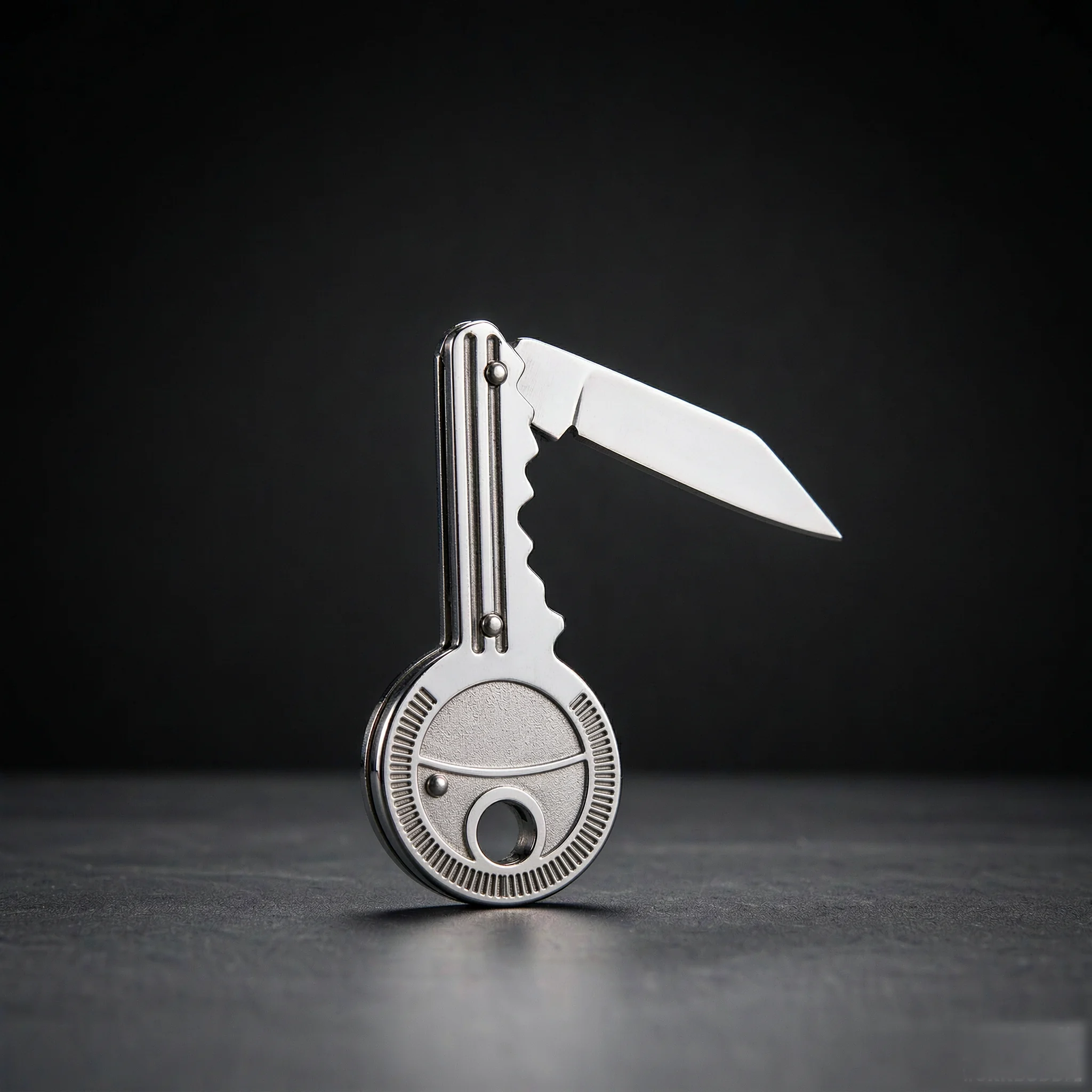
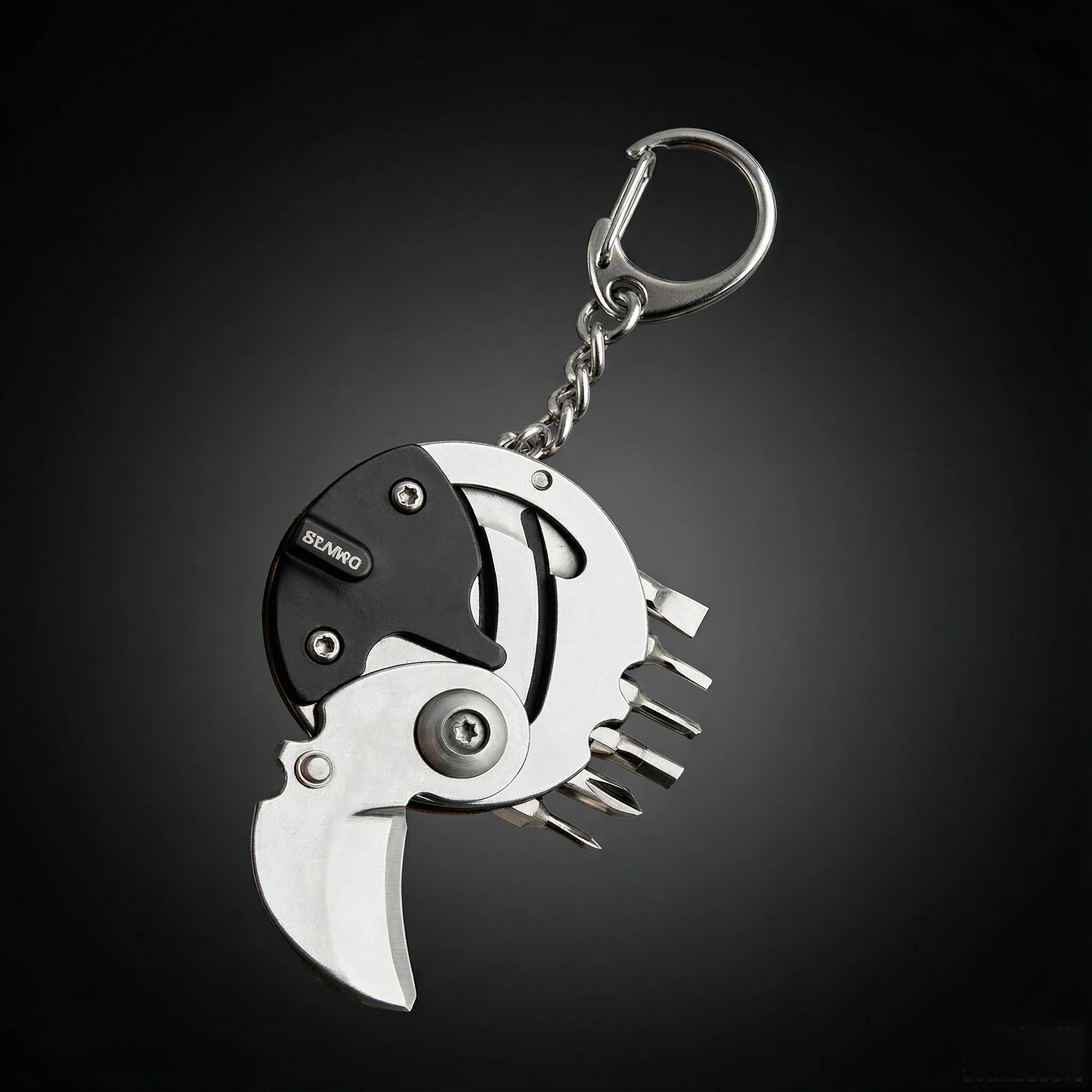
Airport security decisions are not made on a scale of how dangerous an object looks. They are made against a list, applied to a specific bag. That is why the same pocket knife is a non-event in a checked suitcase and a problem in a carry-on — and why "it is tiny" and "it is attached to my keys" are not arguments that change the outcome.
The core rule, in one line
Sharp objects are prohibited in the cabin. Pack them in checked baggage. Everything else in this guide is an application of that rule plus a small number of exceptions that are narrower than people assume.
Item by item
| Item | Carry-on | Checked | Notes |
|---|---|---|---|
| Key-shaped folding knife | No | Yes | Form factor is irrelevant; it is a blade. |
| Multi-tool with a blade | No | Yes | Often missed because it "looks like a tool." |
| Multi-tool without any blade | Usually yes | Yes | Scissors and screwdrivers are generally fine; blades are not. |
| Pepper spray / mace | No | One container, max 4 fl oz (118 ml) | Must have a safety mechanism. Over 2% CS/CN prohibited. Airline may refuse. |
| Bear spray | No | Practically no | Most canisters exceed 4 fl oz, and many countries prohibit it outright. |
| Knuckle-style keychain tool | No | Usually no | Treated as an impact weapon; also prohibited by category in several states. |
Not packing the item — forgetting it is already in the bag. A knife left in a laptop sleeve or a daypack from a previous trip is the single most frequent way frequent travellers get stopped. Empty and check every bag you have used in the last six months before you fly.
The spray exception, precisely
Pepper spray is the one self-defense item with a defined path through checked baggage, and the conditions are specific:
- One container per passenger. A second canister turns a compliant bag into a violation.
- 118 ml (4 fl oz) or less, measured as container capacity — a half-empty 4 oz can is still a 4 oz can.
- A positive safety mechanism. A recessed button alone is not enough under the hazmat rules; there must be an additional device such as a cap that flips over the trigger.
- No more than 2 percent CS or CN tear gas by mass. If the label lists CS or CN and you cannot confirm the percentage, do not pack it.
- Check with your airline. Carriers may refuse self-defense sprays even where the regulator allows them.
Note also that international rules are stricter than the US domestic ones — several jurisdictions prohibit self-defense sprays in both cabin and checked baggage. If your itinerary leaves the country, assume the spray stays home.
TSA is not the only rule set
Clearing security does not mean the item is lawful where you land. Two separate questions:
- Aviation security — can it go on the aircraft at all, and in which bag.
- Possession law — is it legal to have in the state or country you are arriving in.
A knife that is fine in Texas may be a prohibited weapon in New York, and a knuckle-style keychain is prohibited by category in several states regardless of how it was transported. If your trip crosses state lines, check the destination and any transfer states — see how these items are classified.
A packing plan that works
- Two-bag discipline. Decide once: blades and sprays live in the checked bag, always. Never in the personal item, never in a jacket pocket.
- Bag the spray. Seal it in a zip bag and pack it mid-suitcase, away from the shell and from hard objects that can press the trigger.
- Label it. A strip of tape reading "pepper spray" means you are not surprised if the bag is opened for inspection.
- Photograph the contents of your checked bag before closing it. When something goes missing or is removed, you have a record.
- Buy at the destination for one-way trips. If you are flying to a trailhead, buying deterrent there is cheaper than a confiscated canister and removes the airline-discretion variable entirely.
If you carry daily
People who carry a keychain tool every day are the most likely to lose one at security, because the item is attached to the thing they never think about. The workable habit is a travel keyring: a second set with nothing on it but keys and a light, swapped in the night before an early flight. It takes thirty seconds and removes the failure mode completely — and the light is the one item that clears security without an argument. If you are choosing one, see what output actually matters.